Showing posts with label belefant. Show all posts

Friday

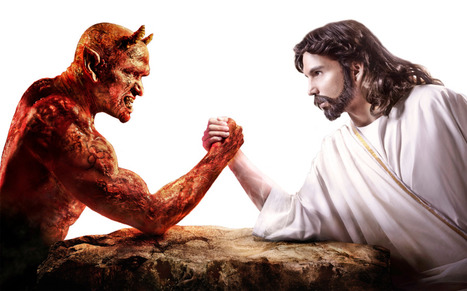
The Difference Between A Good Guy And A Protagonist

I’ve always thought that the most realistic antagonists are convinced they’re not being bad. They honestly believe that what they’re doing is right. 

How else can you explain the despicable shit my ex-wife pulled during our divorce?

So when it comes to a story where a protagonist confronts an antagonist, it only makes sense that a legitimate argument can be made to root for either character. 

The trick is in the telling. And just the other day I stumbled onto a wonderful example. It’s by J. Matthew Turner and wow, is it a lesson in perspective. 

Monday

Adventures in Script Meetings

Corporate shill.
I was recently hired by an ad agency to write a 22-minute television show –– an animated family story that takes place in Pre-Colonial Hawaii and involves a young prince and his pet chicken. (Imagine 'Rudolph the Red Nose Reindeer' with a corporate agenda.)

Because my kids love stories (and because we were waiting for the pizza we ordered to be ready), I took them through the entire script. 

Walter the Chicken. The one the
character in the story is based on.
They sat, rapt, for the whole 22-minutes. I know this because when I was done, I quizzed them on what happened. I asked them to let me know if anything about the story didn’t make sense. Nope, they replied. Although it could have been clearer that the bad spirits turned into nice spirits at the end. 

Note taken.

Then I asked if they liked it.

“Loved it,” they both said.

But then there was a little hesitation from Dashiell, my seven-year-old.

“You know what, Dad?”

“What?”

“Maybe instead of a raft, it could be a rocket that goes into a black hole and that’s how he gets to the Dark Island.”


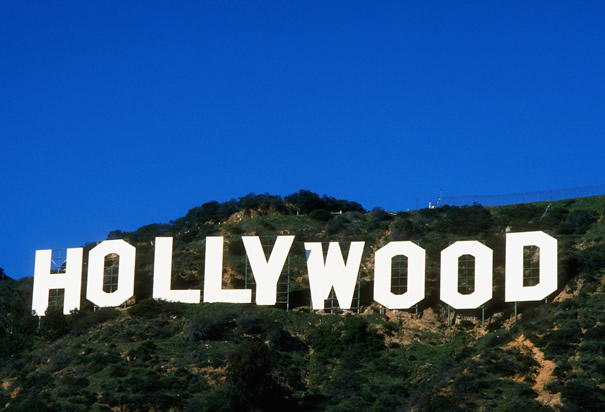
And just like that, I’m back in Hollywood, having a story meeting with a studio exec.

Brian Belefant is a director who also works as a writer, but is mostly looking for directing gigs these days and if you happen to need a director you could do a lot worse than hiring him. Try calling (503) 715 2852 or emailing belefant (at) me (dot) com.

Tuesday

What to look for in a line producer (part 3)

I can't see the forest.
Wow. Has it really been a month? I've been so busy with post production on a film project I'm working on that I haven't had time to write up a post. 

Guess I probably ought to start with a recap.

In What To Look For In A Producer (Part 1) I said that the most important thing to look for in a line producer is ethicalness. And then after I hit Publish I realized there’s a better word for that: Integrity. 

Whatever. 

A couple of weeks later I put up What To Look For In A Producer (Part 2), in which I said that the second most important thing to look for in a line producer is a commitment to seeing the project through. Finishitoffness.

There. All caught up.

Now for the third most important thing to look for in a line producer, which is related to both of those, but different enough that it deserves to have its own number. Number 3.

Ready? The third most important thing to look for in a line producer is the ability to see the big picture. 

Let me give you an example.

Not that kind of Dolly.
I was shooting a commercial project that turned out to be a bit more intricate than the producer had initially anticipated. So after the bid was accepted and the job awarded, we discovered that we needed four days to do what he had initially thought we could accomplish in three. As you can imagine, a fourth day makes a pretty significant difference to a budget, what with the additional crew hours and equipment and stage rental. Needless to say, the producer was concerned –– as was I –– about making it work for the money.  

But we’d committed (integrity) and we were determined to see it through (finishitoffness). So we plowed ahead, keeping an extra eye on expenses. 

I’m one of those directors that’s pretty good at scheduling out my days and when I did, I worked it out that our first shot on the first day required a dolly. Which is only important because of what happened. We all showed up on the first day to find... no dolly. 

Not that kind of Dolly, either.
Which means we couldn't get the shot. 

The producer had decided that since money was tight, he’d book the dolly to show up at noon. 

He saved a couple hundred bucks, tops. And ended up having to pay thirty crew members to stand around while the rest of us scrambled to get ready for what turned out to be our first shot, which of course we didn’t actually shoot until almost when we were scheduled to shoot it in the first place. When the dolly finally showed up, we interrupted the flow of what we’d already planned to follow the first shot in order to take advantage of the light that was quickly becoming crap in order to get the dolly shot. 

That was a producer who didn’t see the big picture. And the thing about producing is that there are so many aspects to a production that there’s a lot of big picture to see. The job is seriously like putting together a jigsaw puzzle, only there’s no one right way to do it. You have to take into consideration equipment and crew and cast members and light and locations and preferences and availabilities and all that. A lot of the time, it’s a matter of figuring out the least worst solution to the problem, but in order to do that, a producer needs to keep sight of what is important –– not just to the director, but to everybody. 

There. That's the Dolly I'm talking about.
In the case of this example, the big picture wasn't all that big. The guy wanted to save money, which is one of the things producers are supposed to do. But he ended up wasting a ton more. Plus he put us behind schedule from the very beginning and put the crew into a panic because we had to scramble to move on to what would have been the second shot of the day. Worst of all, he caused incalculable harm to my relationship with the ad agency, who rightfully wondered if I'd ever actually directed a commercial before. 

All that stuff is the big picture. Plus more. And before you haul off and hire a line producer, it’s a good idea to be sure you’re on the same page with regard to just what the big picture is. 

And this, of course, brings up the obvious follow-up question: Brian, just how do I find a producer who sees the big picture? 

No guarantees, but I’ll tell you something I do that helps. I talk about food. 

Seriously.

As someone who has (and still does) work for free, I sincerely believe that a well-fed crew is s happier and more productive crew. So no matter how much we ask people to compromise on their rates, I never want to cut corners on lunch. The difference between a crappy lunch and a good lunch is sometimes less than $5 a person. So it’s really a small concession to make when we’re asking someone to cut their rate by $100 a day. 

This isn’t something I declare when I’m talking to a producer I’ve never worked with before. It’s a discussion I open, to see where they go. 

And no, it’s not the only thing I do, but I find that how a producer feels about feeding a crew is usually a pretty good indicator of the way he or she feels about how all the myriad factors of a production are interrelated. 

That producer? The one who booked the dolly to show up at noon? He thought it would be a good idea to cap off a long day of hard work by having Taco Bell cater the crew’s dinner. This came up before we found out we were going to have to shoot four days for the price of three. I didn’t realize at the time, but that was a sign. 

Brian Belefant is a director who's so busy finishing up the project he's working on that he doesn't have time to be out looking for the next one. Think you might be able to use him? If so, give him a call at (503) 715 2852 or email him at belefant at me dot com.
Thursday

What to look for in a line producer (part 2)

You know what sucks about working as a director? You really don’t get to see how other people do what you do. 

I figured out a way around that. What I did was sign up with an extra casting service. I’d get booked as an extra on other people's sets and get to see how different directors work. 

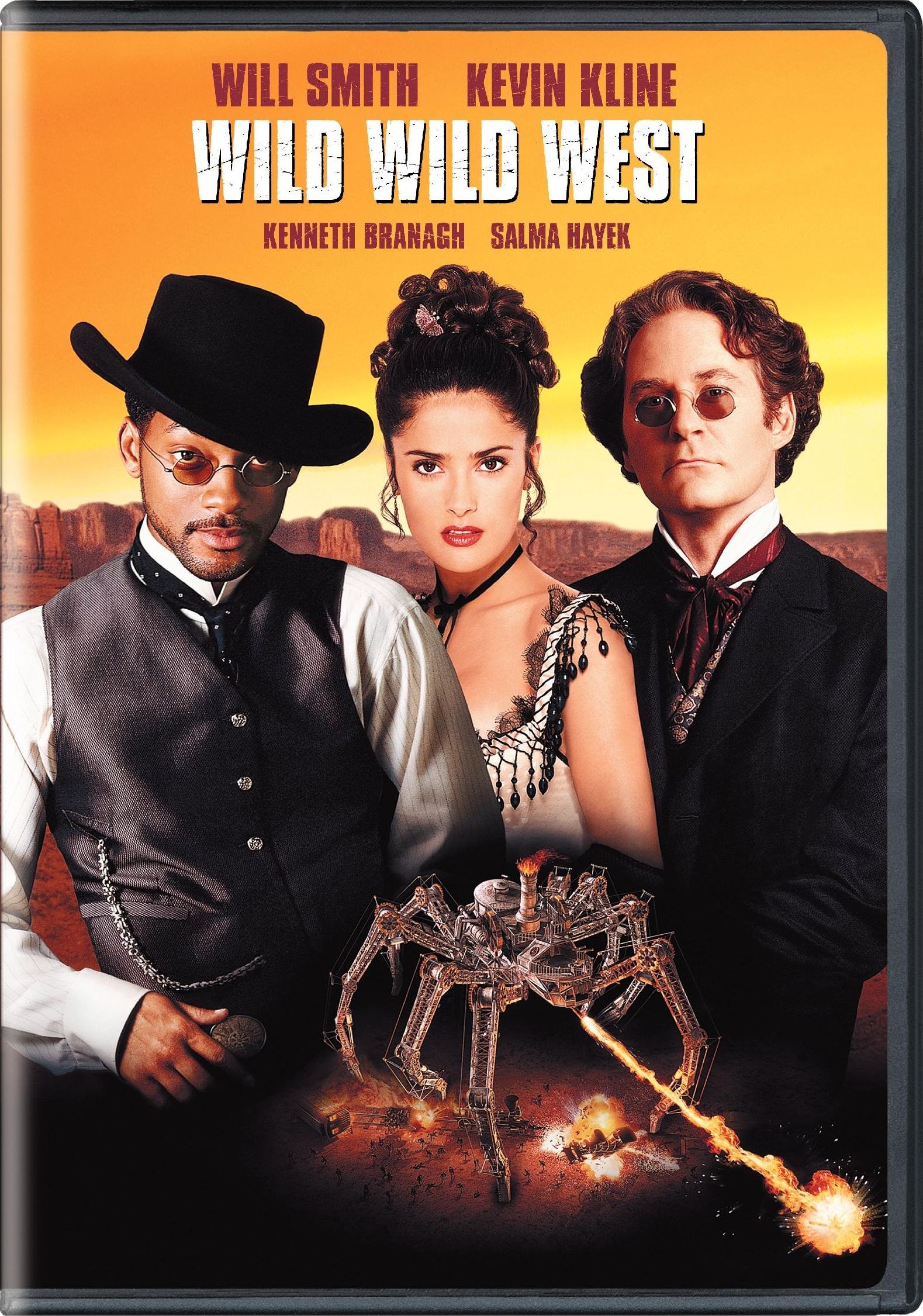
Remember that movie ‘The Wild, Wild West’? I was in that.

Don’t bother looking for my name in the credits. They hired hundreds of us, put us in genuine wool Confederate army uniforms, had makeup people apply facial hair, and then told us to sit in a non-air-conditioned soundstage all day in sweltering Burbank, waiting to be called to the set. 

Fun.

I had been booked for four days. When I got home at the end of the third day I got a phone call. A directing job I'd been hoping to get had come through. 

Of course I came in for the fourth day –– I’d put off starting the directing job because I’d committed to the extra work –– but since the scenes I was supposed to be in hadn’t been finished, the Assistant Director made an announcement to the bunch of us that they’d be needing us to come back for a few more days. 

I took the AD aside and told him that I was sorry, but that I couldn’t make it back. And this guy? He tried everything. He appealed to my greed. (“I’ll see if I can swing you more money.”) He appealed to my sense of duty. (“You committed to this project. You can’t just leave us in the lurch like this.”) He even tried to threaten me. (“With an attitude like that, you’re not going to go very far in this business.”)

Finally, out of ammo, he asked. “What could you possibly be doing that’s more important than helping make this film come together?” 

I didn’t want to do it, but I had to tell him. “I booked a job directing a commercial for American Express.”

“Oh.” 

There are two points to this story and they both aim square at the second most important thing you need to look for in a producer: 

The second most important thing to look for in a line producer is someone who’s committed to seeing your project through.

Point one was that I was not that. Not to Barry Sonnenfeld, anyway, or the rest of the people on ‘The Wild, Wild West’ and maybe that’s why the movie turned out to be such a turd. Point two was that the AD was. He did his very best to get me to come back, but no matter how hard he tried I gave him something he simply couldn’t trump. 

Granted, I wasn’t the producer and neither was he. But here’s the thing. There will always be reasons. People get sick. People’s kids get sick. Relatives die. Those and many more are legitimate reasons to not come into work and if you don’t understand those you shouldn’t be in a position of authority.

It’s the illegitimate reasons that can never ever ever get in the way. Like the producer who disappeared on me because the surf was really good. Or the one who went incommunicado for hours at a time as soon as the bars opened. 

When you hire a producer, make sure you hire one who wants not only to be a producer, but wants to be your producer. As uncool as it is, people will ditch one job for a better one and let’s be honest, your masterpiece might not be the best job a producer is in contention for.

Remember the first most important thing to look for in a producer? Ethics? This is a another reason that’s Thing Number One. An ethical producer will finish out his or her commitment to you and if Spielberg calls, he or she will ask him to wait until this project is finished. 

I don’t know Steven Spielberg, but I’d be willing to bet you he’d respect that. After all, he’s not looking for someone who’s going to disappear in the middle of his production, either. 

As for Barry Sonnenfeld, if you’re reading this? Dude, I’m sorry.

Brian Belefant is a copywriter turned director still finishing up post production on a corporate video that you'll never get to see because of all the non-disclosure agreements and stuff. But hey, if you're looking to put together your next project, maybe he'll be done by the time you pull the trigger. Call (503) 715 2852 or email belefant@me.com.

Tuesday

How to watch your own film

If you think this is Nice, you're close.
It's Cannes.
I was super lucky. I learned this lesson at Cannes, where a public service announcement I’d directed was chosen to screen. Major venue. Sophisticated audience. Sold out theatre. (Did you notice I spelled it with the R before the E? Yeah. All French and everything.)

So anyway, sold out theatre, which meant that by the time I got there I ended up having to stand and I guess the French fire marshall isn’t as particular as the ones we have here because even after all the seats were taken, people kept piling in. And all of them were going to see the tiny thing we managed to pull together for less than $6,000 –– and that included what we spent to fix the scratch on the negative, which by the way wasn’t David Claessen’s fault. He did an amazing job as the cinematographer on this and I have yet to thank him appropriately.

Where was I?

David Claessen –– extraordinary cinematographer
By the time the lights went down, the aisles were full and I’d been shoved all the way to the front of the theatre, almost underneath the screen, which meant I didn’t get a very good view of anything that was being projected. But I got an incredible view of the audience. 

I got to see people engaged, bored, interested, fidgeting…

When my little gem came on, I wanted to see it. I mean, I WAS SCREENING IN CANNES! 

But I couldn’t, really. And besides, it’s not like I hadn’t seen it before. So I watched the people watching it. 

The whole spot happens in one take –– that’s the way I designed it –– and there’s an instant where I want you the viewer to realize what’s going on and just how horrific it is. It’s one thing for a director to intend that; quite another for a director to make it happen. And I made it happen. The entire theatre gasped at exactly the same moment.

(If this video doesn't play,
try this link: https://vimeo.com/75154837)

“Damn,” I thought to myself. “I am very talented."

And this is why I was lucky. It happened early in my career. 

So early in my career that I figured, hey, I’m going to watch people watch my stuff every chance I get because that way I’ll get to see for real just how talented I am. 

What I came to find out pretty quickly was that while everything worked exactly the way I planned for it to in this one piece, other times stuff didn’t go quite the way I thought it would. A joke I thought would get a huge laugh would only get an appreciative nod. Or a narrowing of the eyes. One time I happened to be in a bar when a commercial I’d just finished working on, one that I was super proud of, came on the TV. Nobody even looked up. 

The thing is, I wouldn’t have known about those reactions –– or non-reactions –– if I hadn’t been watching for them. 

And I wouldn’t have been able to fix the problems if I hadn’t seen for myself where they were. 

I’ve been to a lot of Hollywood screenings where the directors sit in the back. When the film is over they nod and smile and graciously accept the praise of the people filing out. People who almost without exception tell them how wonderful they thought it was. 

Sure, if you’re sitting in the back it’s easier to duck out so you can take a call from your agent or Martin Scorcese. But the directors I respect most don’t sit in the back and wait to hear people tell them what they want to hear. They turn off their phones, stand in the front, and see for themselves.

Brian Belefant is a copywriter turned director totally excité for his next assignment. Please call (503) 715 2852 or email belefant@me.com.

A magnificent commercial. Read this before you try to do something like it.


A beautiful piece of video showed up in my Facebook feed the other day. But before I share it with you, I feel it’s my duty to give you a little background.

Any piece of communication has two components –– the rational and the emotional. The rational component is the message. What you want people to believe. The reason why.

But what makes a piece of communication amazing is always –– always –– the emotional bit. Not the message, but the way it’s delivered.

Remember Apple’s ‘1984’ commercial? (Probably not. You weren’t even born in 1984, were you?) Created by Chiat/Day (where I used to work as a copywriter, by the way), it’s still held up as one of the –– if not the –– greatest television spots ever made. What was the message? Apple’s new computer is going to change the world.

Yawn.

It’s exactly the same strategy that every single computer manufacturer has used for every single new product introduction ever.

There are tons of really forgettable ways that message could have been –– and has been –– delivered. Microsoft’s Surface introduction comes to mind. Samsung’s ‘Next Big Thing’ campaign, too. I’m sure there are other good examples, but, well, like I said they’re mostly forgettable.

The way Apple chose to do it in 1983 –– having a blonde chick heave a sledge hammer at a TV screen –– that was the amazing part. (It also helped that the Macintosh happened to be truly revolutionary, but that’s the subject of a different post.)

Every once in a while, somebody who realizes the truth of what I just said will go, “Well, if the  emotional component is the part that really matters, why should I even bother with the rational bit? I mean, who needs a strategy, anyway?”

You do.

Little reason: Because your competitors are staking claims and not to do so would be stupid. 

Medium reason: Because knowing what you’re trying to communicate rationally will liberate your creative teams to come up with an amazing way to do it.

Big reason: Because nobody knows. Seriously. Nobody can consistently and reliably create amazing emotional bits, especially in the absence of rational bits. 

Sure, there are a few geniuses who are pretty good at it. And they have a better record at making amazing stuff than most. But in spite of what every single ad agency tells every single client, it’s impossible to control for all the variables or to know what’s going to resonate. 

Don’t believe me? Then explain to me why the video for Gangnam Style managed to accumulate more than two billion views on YouTube while the follow up video for the same artist, directed by the same director, and benefitting from the all the press and fame and confidence and revenue of the first, couldn’t come close?

Please. Whatever you do, don’t abandon strategy and attempt to make a spot for your version of baked beans like this exquisite little piece of perfection: 


Because biggest reason: It’s not a commercial for beans. It was written and directed by Animator Alvise Avati and produced by Animation Director Eamonn Butler as a commercial for Cinesite, demonstrating their creature animation skills. 

Oh look. A strategy: “We do really good creature animation.”

Now that you know what this video was actually created to do, go back and read through my list of reasons. Suddenly, strategy makes a whole lot more sense, doesn’t it?

Brian Belefant is a copywriter and director currently looking for his next assignment. Please call (503) 715 2852 or email belefant@me.com.

Friday

Just when I was beginning to think there was no hope for advertising.

I’ve been pretty cranky about the advertising business lately. So much crap; so little good stuff. It’s gotten to the point that I was seriously considering changing careers, but I’m not sure if the Nobel Prize committee is hiring right now.
Lucky for Sweden, I saw this spot for Organic Valley.


You don’t need me to tell you it’s brilliant –– wonderful idea, super well executed. But you might appreciate me telling you why.

To do that, think about the assignment: Sell the benefits of an organic protein drink.

The obvious solution would have been to draw a connection between what consumers want (to improve their health) and what the product offers ( the perceived healthful advantages of being organic).

The ad agency probably presented some work that did just that. And it was probably good. 

But someone (David Littlejohn, Mike Cessario, Stephanie Gelabert, and Sean Davis) came up with this gem of an idea. Someone (the uncredited account executives) convinced the client it was a good idea. And someone (the uncredited agency producer) found the right team (Fancy Rhino) to put it all together. 

Then they came up with the ancillary stuff: The website (http://savethebros.com), the merch, the Buy One/Bro One offer. 

This. This is what an ad agency should do every single time. Sadly, few do anymore. 

My hat is off to you, Humanaut, and all the people who pulled together to make this spot happen. I hope this portends well for the entire business. 

In case it doesn’t, I’m going to brush up on my Swedish.

Thursday

A movie that's full of drumming and utterly devoid of sex, and that's where the parallel with my high school years ends.

You know what’s cool about being in the DGA? Christmas. This time of year I get screeners for a ton of movies that are hoping to be considered for awards. 

I know, right?

A couple of nights ago I dropped Whiplash into the DVD player. It's a story about a young musical student (played by Miles Teller) and his relationship with an abusive teacher (played by JK Simmons, who must have had a blast with the role because he gets to be a completely glorious asshole).

The fact that I’m singling out this movie might lead you to believe that this is an attempt to influence the voting. Nope. A lot of good films came out this year and I’m going to leave it to the Academy to decide whether Whiplash happens to be the best of them.

The reason I’m bringing it up is because it does something I’ve never seen before. Both the protagonist and the antagonist are pursuing the exact same thing. 

Exact.

The two characters tell you (by way of actions and dialogue with other characters) exactly what they intend to accomplish and the lengths they’re willing to go to accomplish it, so the movie doesn’t even have to fall back on a “surprise” reveal to justify their actions.

From a story point of view, that’s an extraordinary thing to pull off. And I happen to think it does. Despite both characters’ single-minded determination (see my post from June 5, 2009 about that) to achieve said goal, the film is able to create and elevate the conflict all the way through to an ending that’s simultaneously surprising, satisfying, and totally, perfectly, completely inevitable.  

Okay, I lied. I would like to influence the voting. Members of the Academy, take a look at the dramatic structure of this story. And consider nominating Damien Chazelle for Best Screenplay.

Tuesday

The Sundance Kid is autistic (and no, I’m not qualified to diagnose, but I do know a thing or two about autism)

Two nights ago, while my seven-year-old daughter struggled with a pencil and paper to work out the answers to her math homework, my six-year-old boy listened to the problems and called out the answers.

It’s kind of neat (or annoying, if you happen to be a seven-year-old) that he can figure out the answers to second grade math problems in his head. What’s more remarkable (and even more annoying) is his technique. He runs at a high backed chair, throws himself at it headfirst, and calls out the answer to the problem as he lands in kind of a headstand. 

"Thirty-two!"
Dashiell reminds me of Robert Redford

You ever see Butch Cassidy and The Sundance Kid? it’s one of the greatest movies ever written (by William Goldman, who also wrote The Princess Bride, by the way). 

See it again. And take a close look at Sundance. The character. 

He’s introduced at a card game where he keeps winning. Dashiell’s like that. He figures out the way things work and then uses that knowledge to make them work better. At six, he can already beat me at checkers sometimes and no, that’s not saying a lot, but bear with me here because I’m going to make a point and it’s going to be a good one.

The man Sundance is playing against is convinced he’s cheating and it looks as if there’s going to be a shootout. Sundance doesn’t like to be called a cheater. The movie leaves it pretty ambiguous as to whether he actually cheats, but I’m convinced he doesn't because Dashiell wouldn’t. He knows the rules and he abides by them. He hates losing, but he hates cheating even more.

Look at this picture upside down and the resemblance is uncanny.
Butch Cassidy (Paul Newman) walks in and offers the man a way out. All he has to do is invite Sundance to stick around. He doesn’t have to mean it and Butch even promises that they won’t. He just has to make the gesture. My son is the same way, except for the shooting someone part. He has a powerful sense of right and wrong. Calling someone a cheater when he’s not is wrong but everything can be made okay if you simply acknowledge that you messed up.

As the Sundance Kid walks out, the card player calls after him. "Hey, Kid." But Sundance doesn’t respond. That’s my kid in spades. His mind is busy –– so busy that it’s sometimes impossible to get his attention. 

But the things that seals it? When Sundance needs to prove he can shoot in order to get a job as a payroll guard in Bolivia. Percy Garris, the mine owner, tosses a piece of clay or wood or something into the street and tells him to shoot it. Maybe it’s a plug of tobacco.

Sundance misses. 

“Can I move?” Sundance asks. When he moves, he can’t miss. Put my kid in a chair and make him sit still and he can’t even begin to do the math he’s supposed to be learning in first grade. But let him loose…

I don’t know if William Goldman intended it, but I’m going to say he’s written The Sundance Kid to be autistic. I know what you’re thinking. Redford makes eye contact. He holds a conversation. He’s funny. Even charming. He’s also principled, dedicated, and extraordinarily physical.

The sign needed straightening.
All these things are like my son. My son who can climb anything, has a hard time responding when people try to get his attention, believes intensely in fairness, and can solve second-grade math problems in his head, but only when he’s running full tilt at a chair. 

Autism isn't limited to the stuff we used to think it was. I know this because Dashiell was diagnosed as autistic about six months ago. 

I always knew my boy was a little quirky. Now we have a word for what makes him different, a word that doesn’t change him at all, but hopefully can get us some understanding and extra support at school where they seem to think sitting in a chair is the only way to solve a problem.

If not, maybe my son will grow up to be a notorious outlaw.

The Ratio of Elsa To Anna And What It Means

Anna? Where are you?
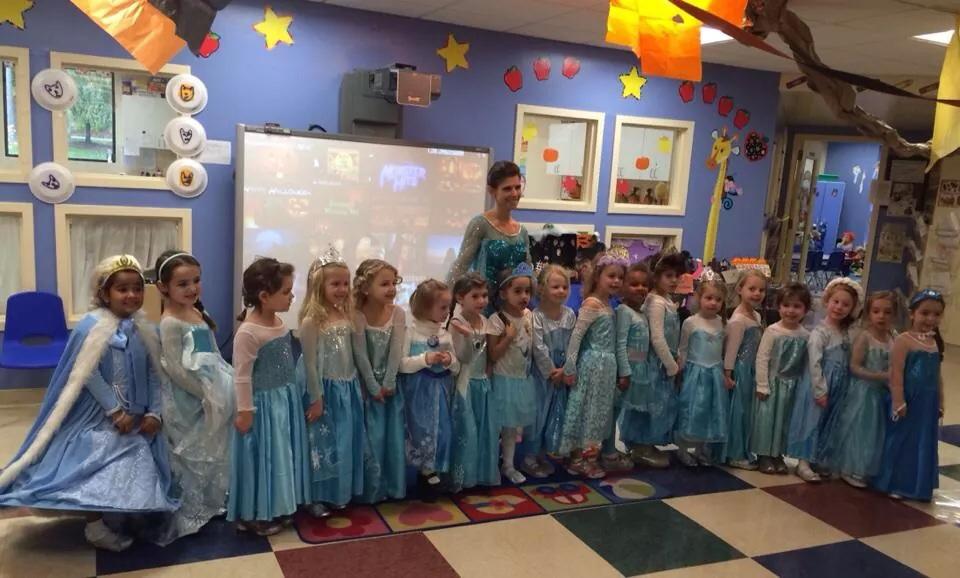
This Halloween, my seven-year-old daughter went trick-or-treating as Elsa. You know, Elsa? From Frozen?

If you haven’t seen Frozen, you’re either living under a rock or don’t have a seven-year-old daughter and my guess is you’re not living under a rock.

Frozen is an animated film about two sisters –– princesses –– the older one of whom has difficultly controlling her power to make stuff freeze. When she –– Elsa –– ascends to the throne, she inadvertently unleashes her power on the assembled and runs away in fear, leaving the kingdom in an icy grip. The younger sister –– Anna –– goes after her and it’s only through Anna's love that she can save Elsa and the kingdom.

Anna is the protagonist. She’s also the more interesting of the two. But like I said, my daughter decided to dress up as Elsa. As did her best friend. And, based on my very unscientific research, 97.23% of girls between five and nine who expressed a preference.

In fact, a dear friend of mine –– Tamara Thompson, founder of the brand strategy consultancy SenseTruth –– happened to be at Disneyland on Halloween and mentioned that of the thousands of princesses she saw, just about the only ones she saw dressed as Anna were pretty obviously the younger sisters of girls dressed as Elsa and too young to have chosen their costumes themselves. In fact, when two sisters were older than around four,  it was apparent that both insisted on being Elsa.

This squares with what I noticed at a Frozen sing-along I took my kids to at a local park this summer.

The question is, what does this tell us? Why do girls want to dress not as the hero of the movie –– the one who’s brave and funny and resourceful and kind –– but as the character who inadvertently hurts others, runs away from the problems she creates, and needs someone else to rescue her?

In my daughter’s case it can be explained by the fact that Elsa wears a turquoise dress. Turquoise is my daughter’s favorite color and has been since… um, well, since she first saw Frozen.

Hmmmm...

Friday

How to survive a slasher film.

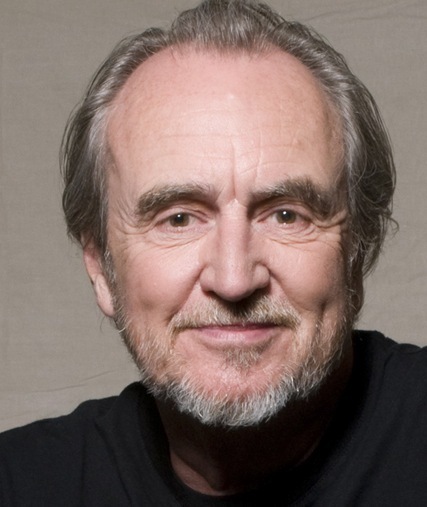
The last time I hung out with Wes Craven, he was kind enough to share his thoughts on the philosophy of the slasher film.

One of the things he said was that the genre was about morality: only the most morally pure teen would not only survive, but vanquish the slasher. Vanity, greed, sloth, and particularly lust were the distractions that turned all the other teens into victims. 

I know. Simple, right?

Naturally, I decided to flip the notion on its head. I wrote a script –– a coming-of-age-as-a-slasher flick –– the premise of which was that only the most morally impure slasher would survive and vanquish the teens. It’s probably the strongest film I’ve written, so thank you, Wes.

The reason I mention all this is that I was issued a challenge by Alexandra at Man Crates, a company that ships gifts for men in custom wooden crates that have to be opened with a crowbar. She wanted to know what I’d want in a crate in order to survive a horror movie I found myself trapped in. 

You know where I’m going with this, right?

If I’m trapped in a slasher film, it’s a pretty safe bet I’m not one of the teens. At my advanced age, I’m more likely going to be the slasher. So here’s what I’d need:

  1. Music. Killing, like editing, depends on rhythm. I’ll take boxed sets of Zepplin, Stones, and AC/DC, preloaded onto an iPod Shuffle (Product Red, of course) because the battery is going on the one I have. 
  2. Polyester clothing. You know what a bitch it is to get blood stains out of the pima cotton and wool blends I normally wear? While you’re at it, throw in one of those jumbo-sized jugs of Tide, the kind with enzymes in it. 
  3. A good knife. I’m partial to the Misono UX10 Gyuto 240mm, but I could make do with a Shun Premier 10”. Wusthoffs have great handles but you really give up a lot of blade flexibility.
  4. Coffee. Slasher films take place at night and I gotta stay awake. Lately, my brew of choice is Extracto Guatemala San Pedro Necta. 
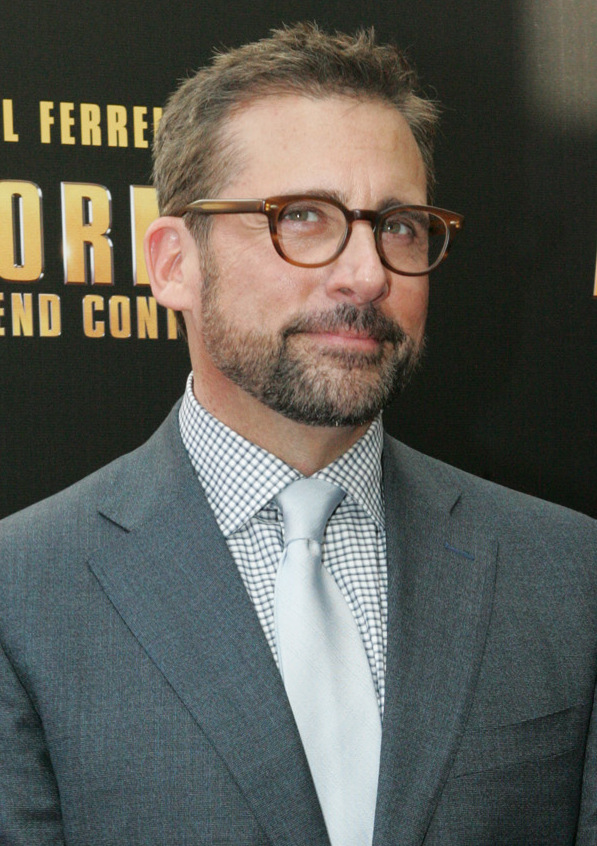
  5. A buddy. I know slashers work alone, but this is my story and I think a slasher buddy movie would be more interesting. Jack Black would be fun, but of course he’d probably end up turning on me at the end. How about Steve Carell? I bet he would die well.
  6. A good motivation. Sorry, but so many slasher films fail here. Why? Why do I want to kill all those young, beautiful people who have no concept of mortality or morality and who spend disproportionate minutes of screen time taking showers, getting wasted, and having sex… Um, never mind. 
One last thing. A crow bar. 

Oh, and Alex? Send it separately. And first. 

Monday

Not about film. Not about advertising. This post is about the future.


Ophelia Belefant, Founder and Curator of The Heart Show
Last year, my daughter, who was in kinder-garten, heard about kids whose hearts needed to be fixed. It was part of a presentation for a fundraiser –– kids would jump rope to raise money for the American Heart Association.

She was really affected, but she didn’t know how to jump rope. If she couldn’t jump rope, what could she do, I asked? She thought for a moment and then said she could make a painting and sell it.

I tend to be a big thinker, so I prodded her to think about how she could do even more. What she came up with was an art show.

She invited all the kids in her class to participate. I got canvasses and paints for everyone, and asked my favorite local patisserie to let us take over for three hours one afternoon. I made up forms for a silent auction. Then I called up the hospital where she was born –– which has a highly regarded pediatric cardiology unit –– and told them what we were up to. The executive director of the foundation came to the show and accepted the donations from the kids.

Long story short, the kids raised $375.

More important, they realized that their efforts could generate immediate results.

And my daughter got to see first hand that the first two steps toward accomplishing anything are figuring out what you want to do and then believing that it’s possible.

My daughter is putting on the show again this year. And my son, who’s in kindergarten himself –– is inviting his classmates to join in, too. That means twice as many artists and hopefully, twice as much money raised for pediatric cardiology.

A radio station found out about the show and interviewed my daughter, too, so maybe we’ll get even better attendance than parents and friends.
Your very own invitation. Please come.

So here comes the ask:

My kids have identified something worthwhile that they want to contribute to. If you like the sounds of it, we sure would appreciate it if you’d help.

The show is in Portland, Oregon on Wednesday. Come by if you can. We’ll have a silent auction where the highest bidders will bring home some stunning art created by five- and six- and seven-year-olds.

I created a Facebook event where you can find out more information, see the masterpieces (once I photograph them all), and download an invitation you can forward to friends, members of the press, and art collectors you know.

https://www.facebook.com/events/592990744114266

If you can’t make it, consider writing a check to the Randall Children’s Hospital. Put “The Heart Show” on the memo line, so whatever you give will add to what the kids bring in. Here's the address: 2801 N Gantenbein Ave, Portland, OR 97227

These kids –– all kids –– are the future. And this is why I’m so passionate about what my daughter and son and their classmates are doing. I sincerely hope that all of them come to believe that good can be done and that they can be the ones doing good. Not just the kids putting on the show, but also the ones benefiting from the money raised.

Thank you.

Tuesday

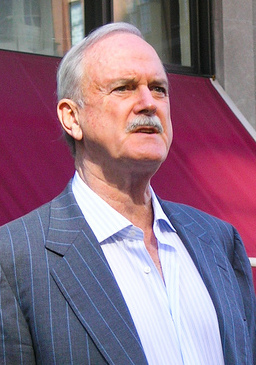
I have a problem and it involves John Cleese and a camel.


Back when I was first getting into directing, I heard John Cleese interviewed on the radio and he said something incredibly profound. something that helped me to become a better director. A much better director.

Here’s the problem: I can’t find the quote.

I've done Google searches on every version of what I think he might have said and I came up with nothing (although –– kind of random –– I did stumble onto a quote by Henri de Toulouse-Lautrec that made me laugh out loud).

As far as I know, it might not have been John Cleese who said it. Hell, it might not have even been said, which would be kind of Charlie Kaufman-esque when you think about it, how my understanding of comedy was informed by a quote that was never actually uttered and that somehow, I'm convinced I got to be a better director because of it.

Doesn’t matter. I believe it to be true. And that brings me to the camel.

Watch this spot which you've already seen:

Screen Shot 2014-01-04 at 10.37.07 PM

Ask people what the spot is about and they'll tell you it's about a camel that's happy it's Wednesday. Which it is. Only it's more. It's about a camel that's always happy it's Wednesday.

And how do we know that? The camel's office mates.

The camel is funny. Great voice. Perfect performance. Beautiful visual effects. But what's truly funny is that even though it might be our first time hearing him go on about hump day, it's their millionth.

That's what makes this spot work. So well that according to AdWeek, this spot was one of the ten most watched commercials of 2013.

And here's where I finally let you in on you what John Cleese may or may not have told me: People's reactions to something funny almost always make the funny thing funnier.

Take away the coworkers and this spot wouldn't have sucked. But it wouldn't have been nearly as good.

John Cleese knows this. I know this. And now you know this, too.

If I were wearing a hat, I'd be tipping it right now to the Martin Agency and the creative team there who worked on it (the spot, not the hat): Joe Alexander, Steve Bassett (who I used to work with back at Chiat and who is truly one of the most courteous people in advertising), Wade Alger, Sean Riley, Ken Marcus, Molly Souter, Samantha Tucker, and Emily Taylor.

But mostly I'd be tipping it to Wayne McClammy, the director. For seeing what the spot could be and letting it be just that.

Monday

My Christmas gift to you: Three secrets to making a great commercial

Good ad agencies, like good businesses of any ilk, have a point of view. And back in the 90s, BBDO was one of the best. Their point of view enabled them to do a particular kind of advertising and they did the shit out of it for Pepsi, Visa, Skippy, and Frito-Lay.

I know this well because from 1993 to 1995 I was Senior Vice President/Creative Director at BBDO.

I'm going to tell you a secret. The BBDO secret.

The quintessential BBDO commercial (the agency almost exclusively did TV commercials) relied on three things: 1) Intrigue, 2) Misdirection, and 3) Making the product the hero.

Intrigue means it's a story and the story sucks you in.


I wonder what's going to happen next, don't you? You do. We all do, especially since we establish that two boys are watching her. (Remind me to share John Cleese's brilliant observation about comedy in a post someday.)

Misdirection goes to the dramatic structure. If you know how your story is going to turn out, why would you continue watching? Well, yeah, there are reasons. Like, for instance, it's Cindy Crawford. 

Sure, we know Cindy is going to put money into the vending machine and push a button. Will a Pepsi come out? It does. Will she drink it? She will. But what of the two boys?

Here comes the misdirection: As Cindy slugs down the Pepsi, the two boys watch, slack jawed. One of them comments, "Is that a great new Pepsi can or what?"

Which brings me to making the product the hero. That's shorthand for "the product is not just integral to the story, it is the very thing that makes the punch line satisfying." When your product isn't the hero, you may have something funny –– like shooting gerbils out of a cannon as Outpost.com did in a Superbowl spot back in 1999 –– but you don't really have a commercial.

The hero of the spot with Cindy Crawford is the can. Pepsi had redesigned their can. Implicit in the commercial, whether believable or not, was that Pepsi's new can was even more beautiful than Cindy Crawford's... well... can.

It's twenty years later and the same approach still works magic. A magnificent example is Apple's "Misunderstood" holiday commercial.

We think we're watching a kid playing with his iPhone at the expense of engaging with his family during the holidays. Misdirection. Turns out he's shooting a movie of the family on his iPhone to share with them on Christmas morning. 

As for product as hero, yep. Apple made a big point about its improved video capabilities with the introduction of the new iPhone earlier this year. I'm pretty sure the brief the agency worked from directed them to create a spot that highlighted the feature.

Feature.

That's an important word and it brings me to Secret #4. (I know. Look at me being all generous.) There are features and there are benefits. Features are what a product has or does. Benefits are what you get from having a feature. The ability to make a movie on your phone is a feature. The ability to bring your family together and share memories almost as they're being created? That's a benefit.


This is an extraordinary spot. Beautifully conceived and well-crafted.

I'm grateful to both Apple and TBWA\Chiat\Day (the ad agency) for giving me a gift I so appreciate as this most difficult of all years finally comes to a close: Proof that it's still possible to create truly great advertising.

I'm entering 2014 inspired. I hope you are, too.