

You know what sucks about working as a director? You really don’t get to see how other people do what you do.
I figured out a way around that. What I did was sign up with an extra casting service. I’d get booked as an extra on other people's sets and get to see how different directors work.
Remember that movie ‘The Wild, Wild West’? I was in that.
Don’t bother looking for my name in the credits. They hired hundreds of us, put us in genuine wool Confederate army uniforms, had makeup people apply facial hair, and then told us to sit in a non-air-conditioned soundstage all day in sweltering Burbank, waiting to be called to the set.
Don’t bother looking for my name in the credits. They hired hundreds of us, put us in genuine wool Confederate army uniforms, had makeup people apply facial hair, and then told us to sit in a non-air-conditioned soundstage all day in sweltering Burbank, waiting to be called to the set.
Fun.
I had been booked for four days. When I got home at the end of the third day I got a phone call. A directing job I'd been hoping to get had come through.
I had been booked for four days. When I got home at the end of the third day I got a phone call. A directing job I'd been hoping to get had come through.
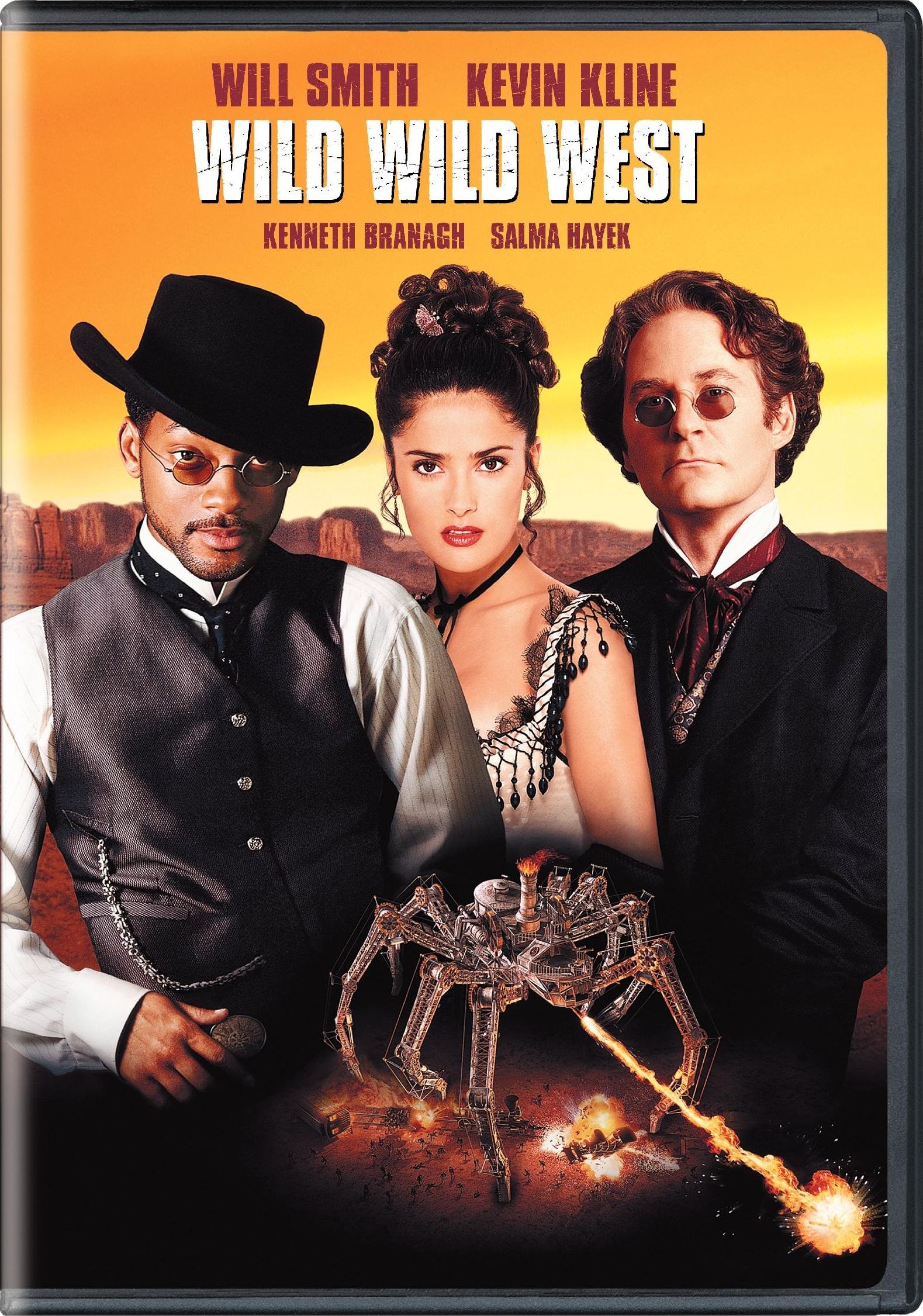 Of course I came in for the fourth day –– I’d put off starting the directing job because I’d committed to the extra work –– but since the scenes I was supposed to be in hadn’t been finished, the Assistant Director made an announcement to the bunch of us that they’d be needing us to come back for a few more days.
I took the AD aside and told him that I was sorry, but that I couldn’t make it back. And this guy? He tried everything. He appealed to my greed. (“I’ll see if I can swing you more money.”) He appealed to my sense of duty. (“You committed to this project. You can’t just leave us in the lurch like this.”) He even tried to threaten me. (“With an attitude like that, you’re not going to go very far in this business.”)
Finally, out of ammo, he asked. “What could you possibly be doing that’s more important than helping make this film come together?”
I didn’t want to do it, but I had to tell him. “I booked a job directing a commercial for American Express.”
“Oh.”
There are two points to this story and they both aim square at the second most important thing you need to look for in a producer:
The second most important thing to look for in a line producer is someone who’s committed to seeing your project through.
Point one was that I was not that. Not to Barry Sonnenfeld, anyway, or the rest of the people on ‘The Wild, Wild West’ and maybe that’s why the movie turned out to be such a turd. Point two was that the AD was. He did his very best to get me to come back, but no matter how hard he tried I gave him something he simply couldn’t trump.
Granted, I wasn’t the producer and neither was he. But here’s the thing. There will always be reasons. People get sick. People’s kids get sick. Relatives die. Those and many more are legitimate reasons to not come into work and if you don’t understand those you shouldn’t be in a position of authority.
 It’s the illegitimate reasons that can never ever ever get in the way. Like the producer who disappeared on me because the surf was really good. Or the one who went incommunicado for hours at a time as soon as the bars opened.
When you hire a producer, make sure you hire one who wants not only to be a producer, but wants to be your producer. As uncool as it is, people will ditch one job for a better one and let’s be honest, your masterpiece might not be the best job a producer is in contention for.
Remember the first most important thing to look for in a producer? Ethics? This is a another reason that’s Thing Number One. An ethical producer will finish out his or her commitment to you and if Spielberg calls, he or she will ask him to wait until this project is finished.
 I don’t know Steven Spielberg, but I’d be willing to bet you he’d respect that. After all, he’s not looking for someone who’s going to disappear in the middle of his production, either.
As for Barry Sonnenfeld, if you’re reading this? Dude, I’m sorry.
Brian Belefant is a copywriter turned director still finishing up post production on a corporate video that you'll never get to see because of all the non-disclosure agreements and stuff. But hey, if you're looking to put together your next project, maybe he'll be done by the time you pull the trigger. Call (503) 715 2852 or email belefant@me.com.
Brian Belefant is a copywriter turned director still finishing up post production on a corporate video that you'll never get to see because of all the non-disclosure agreements and stuff. But hey, if you're looking to put together your next project, maybe he'll be done by the time you pull the trigger. Call (503) 715 2852 or email belefant@me.com.


